
Storm Damage Roof Repair in McDonough, GA
Fast, honest storm damage response for McDonough homes. We help you through the insurance claim and we don't chase storms.
McDonough Storm Damage Roof Repair
Why Storm Damage Repair Matters
McDonough has grown faster than most of Henry County, which means a lot of roofs here are now hitting the 15-to-25 year mark — right when one bad hail storm can flip a shingle roof from ‘a few more years’ to ‘needs replacement.’ When that happens, the wrong contractor can cost you tens of thousands. We’ve inspected roofs from the historic homes near McDonough Square out to the newer subdivisions off Highway 81 and Jonesboro Road, and the same rule applies everywhere: get a written inspection from a contractor who’s local, licensed in Georgia, and willing to put their findings on paper before you sign anything. Storm chasers won’t be here next year. We will.
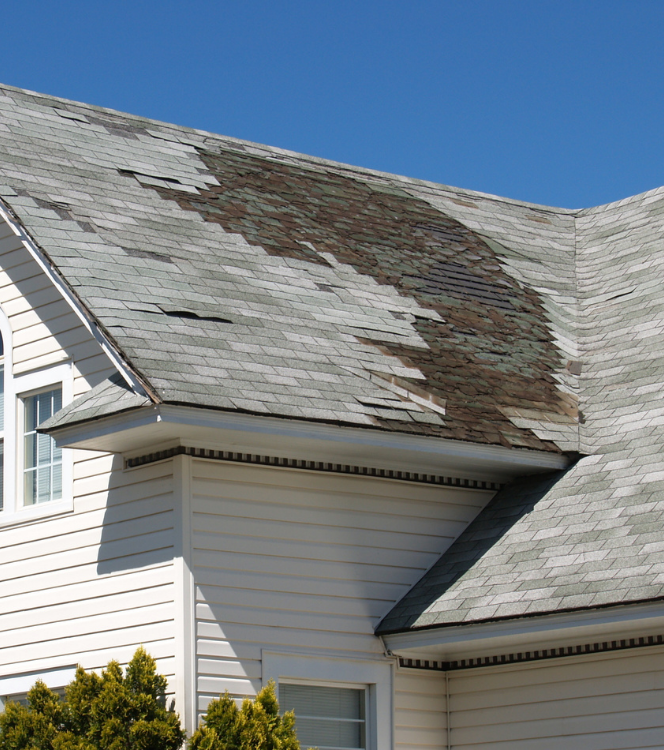
The Numbers Don’t Lie
Hail causes nearly $1 billion in roof damage annually across the U.S.
Wind speeds of just 50 mph can tear shingles and damage gutters
Delaying repairs increases costs by up to 200% as leaks spread and structural damage worsens
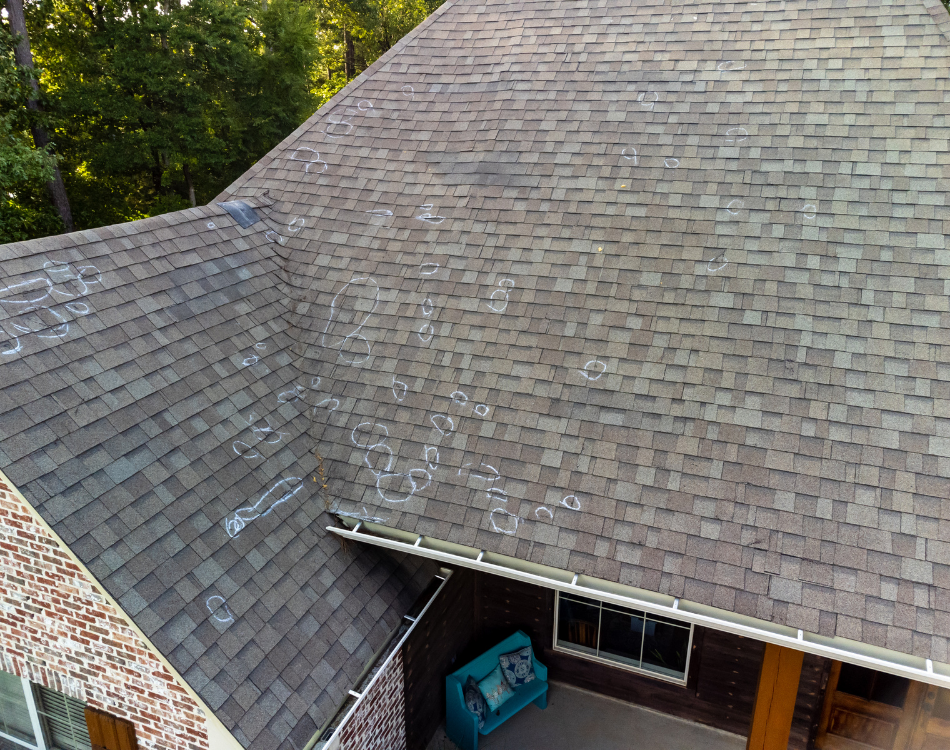
When Storms Hit, We Move Fast
McDonough sits at a higher elevation than most of metro Atlanta’s southern suburbs, which means severe weather often hits Henry County harder than the radar maps suggest. Pop-up summer storms can drop hail of inconsistent sizes within a few miles of each other, and the I-75 corridor catches both the leading edge of fronts moving in from the west and the back-side wind shifts as systems pass. When we get a call within 24 hours of a storm, we usually have a crew on-site the same day — tarping active leaks first, then completing a full inspection with photos that document damage by slope and elevation for your insurance file. The faster the documentation, the harder it is for an adjuster to attribute storm damage to wear-and-tear.
Professional Repairs You Can Trust
Storm scope writing is where most repairs go sideways. Underwrite the scope, you pay the difference out of pocket. Overwrite it, your claim gets pushed back or denied. On Henry County homes — especially the brick ranches from the 80s and the two-story builds in the 2000s subdivisions — we see the same gaps in adjuster reports over and over: dented gutters and downspouts left off the line items, soft decking under hail-bruised shingles that doesn’t show until tear-off, and ridge vents that look intact from the ground but were compressed by wind uplift. We document all of it and write supplements when the initial scope is short. You shouldn’t have to fight the carrier on your own.
Insurance ClaimAssistance
Once your claim is approved, restoration moves fast. We schedule McDonough storm jobs around your insurance timeline and material availability — typically one to two working days on-site for most single-family homes. The work includes complete tear-off down to the decking, replacement of any compromised sheathing, ice-and-water shield in valleys and around all penetrations, new synthetic underlayment, manufacturer-spec starter strips and ridge cap, and a final cleanup with a magnet sweep for stray nails. We send you and the carrier photo documentation at each major phase. If we find additional storm-related damage during tear-off that the adjuster missed, we write a supplement and handle the back-and-forth with the carrier directly so you’re not stuck negotiating.
Frequently Asked Questions About Storm Damage Repairs
How do I know if my McDonough home has storm damage?
Most storm damage doesn’t read from the ground, which is why insurance companies want a written inspection report before they pay a claim. The clearest signs you can spot yourself: shingle granules collecting in your gutters or at the base of downspouts (those granules are what protect the asphalt — when they’re gone, the shingle starts to bake), bent or dented metal flashing around chimneys and vents, dents in your gutter aprons or HVAC fins, and any dark spots on the underside of your roof deck visible from the attic. If you’ve had a hail or wind event in McDonough within the past 12 months and you haven’t had the roof checked, get a free inspection on the books — even light hail bruising shortens shingle life and can void your manufacturer warranty.
Will my insurance cover storm damage?
In nearly every case, yes — sudden damage from wind and hail is a covered peril on a standard Georgia homeowners policy. The two variables that actually decide what you’ll be paid are your deductible (some policies now carry a separate, higher percentage-based deductible specifically for wind and hail) and whether your policy pays Replacement Cost Value or Actual Cash Value. RCV pays to replace the roof at today’s pricing. ACV depreciates by age and condition first, then pays the balance after repair. If your roof is over 15 years old, check whether your carrier downgraded you to ACV at the last renewal — it’s increasingly common in Henry County and often happens without the homeowner noticing.
What should I do after a storm hits my McDonough neighborhood?
First thing: don’t sign anything with anyone who knocks on your door, no matter how official they look. After a storm rolls through McDonough, out-of-area crews work the neighborhoods looking for fast ‘assignment of benefits’ signatures. Once they have your signature, you’ve given them the right to negotiate the claim directly with your insurance company — and you can lose control of the scope and the work product. Instead: walk your property, photograph anything visibly damaged (yard debris, downed limbs, dented gutters), and call a local licensed roofer for a free inspection. Do it within a few days. The longer you wait, the harder it is to tie damage to the storm date.
How fast can Crest respond to storm damage in McDonough?
For McDonough and Henry County addresses, we usually have someone on-site within 24 to 48 hours of your call — and we can tarp active leaks the same day if needed. After a major storm event we shift our scheduling so post-storm inspections take priority, which sometimes means we’re working evenings and weekends to get to every homeowner in our service area. Because we’re based in Jackson, McDonough is one of our shortest drives, so post-storm response here is fast even when our schedule is already loaded.
Do you just repair the damage or do you do full roof replacements?
Both — and we don’t steer you toward whichever pays us more. Most storm calls in McDonough end up in one of two scenarios. The first is a targeted spot repair: a few shingles, a flashing fix, a section of soffit, usually handled the same visit or the next. The second is a full insurance-funded replacement for homes with widespread hail or wind damage. The right answer is almost always obvious at inspection. If a roof has been hammered but was at the end of its life anyway, we’ll tell you. If damage is really cosmetic and a small repair will hold for years, we’ll tell you that too.
What's the insurance claim process?
The order is: (1) Free inspection — we get on the roof, take photos, mark damage by slope, and write up findings. (2) If the damage is claim-worthy, you file with your insurance and attach our report and photos. (3) The adjuster comes out — ideally with one of our team present, so we can point out anything they might miss. (4) The carrier issues a scope of repair and a payment schedule. (5) If we agree with the scope, we schedule the work. If we don’t — and on Henry County jobs we find missed line items maybe a third of the time — we file a written supplement before any work starts. (6) We complete the work, document each phase, and submit final invoicing to the carrier for the remaining payment.
Should I use my insurance company's preferred contractor?
You’re not required to, and most homeowners who do regret it eventually. A carrier’s ‘preferred’ or ‘managed repair’ contractor is paid by the carrier on contracts that incentivize keeping the claim total down. That’s the opposite of your interest, which is the most complete scope written to manufacturer specifications that your policy will support. We work for you, not for State Farm or Allstate or anyone else. We document everything in a way that makes supplement requests easier to win when more damage shows up during the work. Your policy gives you the right to choose your own contractor — exercise it.
What if the insurance adjuster misses damage on my McDonough roof?
It happens on most jobs. Hail-damaged decking, rotted fascia under a clogged gutter line, compressed ridge vents, ice-and-water shield that was never installed properly the first time around — almost none of it shows up until tear-off, and very little makes it into the initial adjuster scope. When we find storm-related damage during the work, we stop, photograph it, and write a written supplement to the carrier. We’ve never had a properly-documented McDonough supplement denied. The homeowner doesn’t pay the difference — the supplement does.
Can you waive my deductible?
No, and you should walk away from anyone who offers to. Waiving or ‘eating’ a homeowner’s insurance deductible is insurance fraud under Georgia law and carries criminal penalties for both the contractor and the homeowner. Contractors who offer this either build the waiver into an inflated invoice (also fraud) or cut corners on the actual work to recoup the deductible elsewhere. Either way you lose — either as a fraud co-conspirator or with a substandard roof. A legitimate contractor charges the full scope and collects the deductible from you per your policy. No exceptions.
How long do I have to file a storm claim in Georgia?
Georgia homeowner policies generally give you 12 months from the date of loss to file a claim for sudden storm damage — but don’t run it to the last week. The longer you wait between the storm event and the inspection, the harder it gets to convince an adjuster the damage is storm-related rather than wear-and-tear. We’ve had McDonough claims approved at month 11 and denied at month 6, and the difference was almost always documentation timing. If you think your roof took a hit in a storm, the time to get a free inspection is the same week you suspect it.
Information about McDonough
McDonough, Georgia, is the county seat of Henry County. Founded in the early nineteenth century, it grew from agricultural commerce into a railroad-associated town serving Atlanta and surrounding communities. Its preserved courthouse square anchors historic districts, while modern development expands retail, residential, and civic functions, reflecting gradual growth and importance.
We Also Provide Storm Damage Repair In These Cities
- Storm Damage Repair in Doraville
- Storm Damage Repair in Rock Spring
- Storm Damage Repair in Fair Oaks
- Storm Damage Repair in Dunwoody
- Storm Damage Repair in Newnan
- Storm Damage Repair in Oakwood
- Storm Damage Repair in Powder Springs
- Storm Damage Repair in Flovilla
- Storm Damage Repair in Rock Chapel
- Storm Damage Repair in Griffin
READY TO GET STARTED?
Whether your McDonough roof took a hit in the last storm or you’ve been putting off an inspection because you don’t know who to trust, we’ll come look at it. Free, no-pressure, and our findings in writing.