
Spring in Henry County does not mess around. If you live in McDonough and you have been watching the radar lately, you already know what we mean. The storms rolling through this part of Middle Georgia between March and May tend to pack wind gusts, heavy rain, and occasional hail, and all of that adds up for the shingle roof over your head.
We have been out on roofs all over McDonough Square, Eagle’s Landing, and the subdivisions off Highway 81 this spring, and we are seeing the same thing over and over. Homeowners who had no visible damage after a storm are finding out weeks later that their shingles took a hit they could not see from the ground. This post is our attempt to explain what is actually going on, and what you should do about it before summer gets here.
Henry County has a history of taking hail during late-April and early-May systems, and this year is looking like more of the same. As a local roofer in McDonough, we want to make sure you are not caught off guard.

What Is Actually Happening Up There
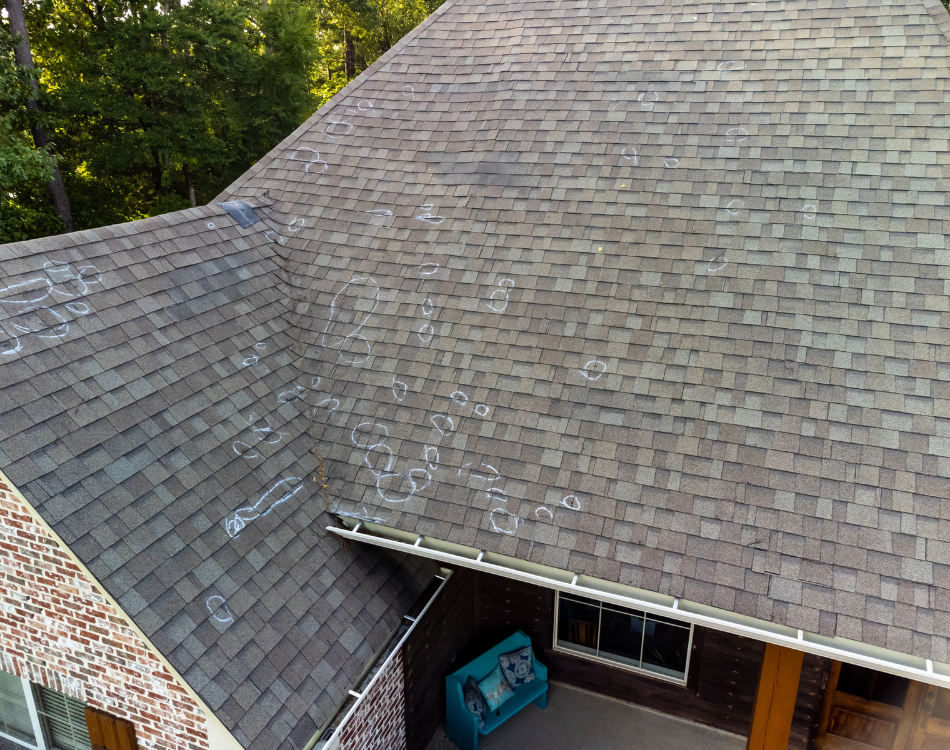
Asphalt shingles are durable, but they are not invincible. During a spring storm, two things tend to do the most damage. The first is hail, even small hail. Stones the size of a marble or larger can knock the granules off the surface of a shingle, and those granules are what protect the underlying asphalt from UV degradation. Once enough of them are gone, that section of your roof ages faster than the rest. You might not see a leak for a year or two, but the damage is already done.
The second is wind. Sustained winds above 50 or 60 mph can lift shingle tabs and break the factory seal between them. Once that seal is broken, the tab is loose, and the next rain event can push water underneath it. According to the NOAA Storm Prediction Center, the Middle Georgia region regularly sees severe storm watches during the spring convective season, and Henry County sits squarely in that zone. That means the storm that rolled through McDonough last week is probably not the last one.
Granule loss and broken seals are both things we look for on every shingle roofing inspection in McDonough. A lot of homeowners are surprised to find out they have legitimate storm damage even after what seemed like a routine thunderstorm.
How Shingle Roofs Respond to Spring Weather
Shingles actually perform better in mild spring temperatures than in the dead of summer or the coldest part of winter. In moderate temps, the asphalt stays flexible, which means the material can expand and contract without cracking. But spring storms create a different problem. The temperature swings between a warm afternoon and a cold storm front can happen quickly, and that rapid change adds stress to the roof deck underneath the shingles.
On homes near Jonesboro Road and the older neighborhoods close to the McDonough Square, we often see roofs that were installed 15 or 20 years ago. Those shingles are already past their prime flexibility. A spring hail event or a wind event at that age is not just inconvenient. It can become the deciding factor in whether a roof gets another five years or needs full replacement. Our team at Crest, a McDonough roofing company with over a decade of work in Henry County, has done hundreds of these assessments, and the pattern is consistent.
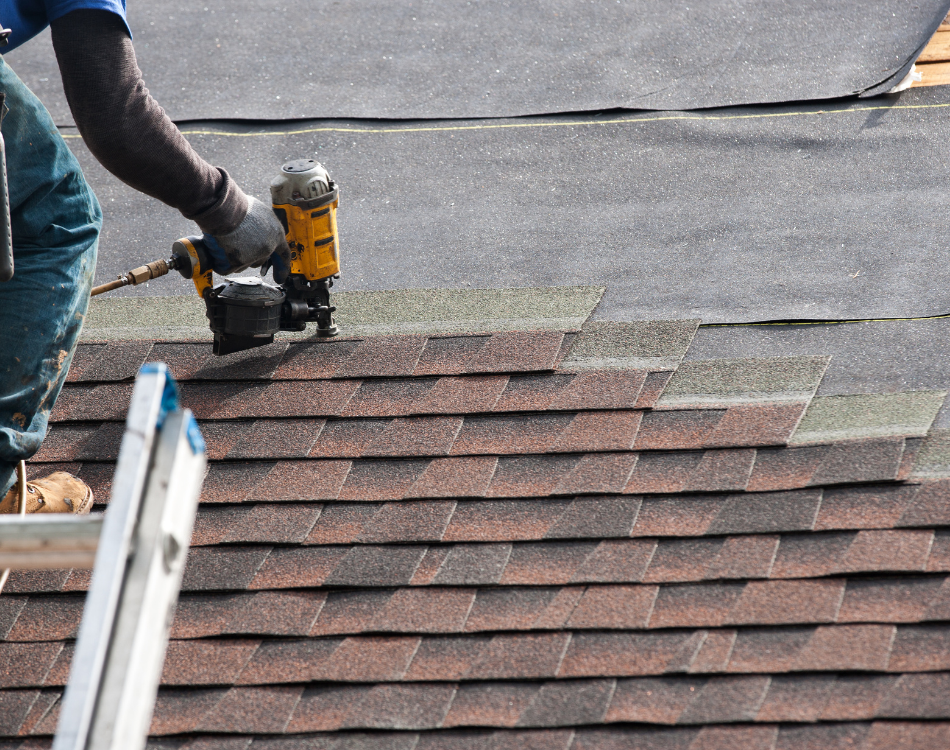
Newer construction in McDonough, like the subdivisions built in the 2000s and 2010s off Bill Gardner Parkway and near I-75 exit 218, tends to have 30-year architectural shingles. These hold up better to impact, but they are not immune. If a hail event was severe enough, even a roof that is five years old can have enough granule loss to warrant an insurance claim.
If you are unsure about the age or condition of your roof, a professional shingle roofing inspection from our team is the fastest way to get clarity. We do those for free, and we give you a straight answer about what we find.
What This Means for Your McDonough Home
Spring storm damage on a shingle roof is not always obvious. A cracked or missing shingle is easy to spot. Granule loss is harder. Loose seals are nearly impossible to see from the ground. That is why we always recommend a roof inspection after any storm that brought hail or sustained winds above 45 mph in your area.
If you have a roof that is more than 10 years old in McDonough, you are in the window where storm damage is more likely to lead to replacement rather than repair. That is not necessarily bad news. A new shingle roof installed before summer means your home is protected through the hottest months, when heat is bearing down on an already-compromised surface. You also lock in current material prices before demand spikes with the summer build season.
Gutters play a role here too. After a storm heavy enough to affect your shingles, your gutters are often collecting debris, granules, and organic material that can back up and push water against your fascia. We have seen gutter issues in McDonough that compounded an otherwise manageable roofing situation. Getting both assessed at the same time is always the smarter move and saves you a second trip from a contractor.
For more on what storm events do to Georgia roofing systems, browse our storm damage resources on the blog. There is a lot of practical detail there on documentation, insurance, and repair timelines.
What to Do About It
Here is our practical advice for McDonough homeowners right now, while we are still in the thick of spring storm season:
- Schedule a free inspection. Do not wait until you see a water stain on your ceiling. By then, the damage has already moved from a surface issue to a structural one. Call us at (478) 375-6175 or visit our contact page to set something up. Inspections are free and come with a written report.
- Take photos after a storm. If you notice anything on the ground, like granules in your gutters or near your downspouts, document it with photos and note the date. This can help support an insurance claim if needed and establishes a clear timeline.
- Do not get on the roof yourself. Wet or storm-damaged shingles are slippery, and the structural integrity of a damaged area is unknown. Let a licensed contractor assess it safely.
- Ask about your insurance options. If a storm event caused the damage, your homeowner’s insurance may cover most or all of the cost of storm damage repair in McDonough. We work with insurance companies regularly and can help walk you through the process from inspection to final payment.
Why Crest Roofing and Gutters for McDonough
We are not a national franchise or a storm-chaser crew that rolls into town after a big weather event. We are a locally owned McDonough roofing company based out of Jackson GA, and we have been working in Henry County for over a decade. Our crews know these neighborhoods, these roof types, and the kinds of damage Middle Georgia storms tend to leave behind. When you call us, you get the same local team every time, not a subcontractor from another state.
We carry full licensing and insurance for the state of Georgia, and every job we complete is backed by a 10-year workmanship warranty. If something goes wrong with our work, we come back and fix it. That is a commitment we have kept for 12 years and counting. If you have neighbors or family in nearby Locust Grove who also need help after this spring’s storms, we handle shingle roofing installation in Locust Grove as well.
Frequently Asked Questions About Shingle Roofing in McDonough GA
How do I know if my shingle roof was damaged by a spring storm in McDonough?
The most common signs are granules in your gutters or at the base of your downspouts, missing or lifted shingle tabs, and water stains on ceiling drywall. A professional inspection is the only reliable way to assess the full extent of impact or wind damage.
Does homeowner’s insurance cover hail damage to shingles in Georgia?
Most standard homeowner’s policies in Georgia cover sudden storm damage including hail, subject to your deductible. Documentation is key, so take photos after the storm and contact your insurance company and a licensed roofing contractor promptly.
How long do shingle roofs last in McDonough GA’s climate?
In Middle Georgia’s heat and storm environment, most architectural shingle roofs last 20 to 30 years with proper installation and maintenance. Roofs exposed to repeated severe weather events may fall toward the lower end of that range.
What is the best time of year to replace a shingle roof in Henry County?
Spring and fall are ideal in Henry County because temperatures are moderate and shingles seal properly. A replacement before summer puts a fresh roof over your home before peak heat and late-season storm activity.
Can I get a free shingle roof inspection in McDonough?
Yes. As a local roofer in McDonough, we offer free inspections and give you an honest written assessment of what we find. Call us at (478) 375-6175 or reach out through our website to schedule one at no cost.
Serving McDonough and Surrounding Henry County
We serve homeowners throughout McDonough, from the historic Square neighborhoods to Eagle’s Landing and everything in between. Our service area covers Henry, Butts, Spalding, and Lamar counties, so whether you are near I-75 exit 218 or farther out on Highway 81, we can get to you quickly after a storm event.
If you are dealing with the aftermath of a spring storm or just want to know the condition of your roof before summer gets here, give Crest Roofing and Gutters a call at (478) 375-6175. We are ready to help.
About the author: Chad has been in the roofing industry for 12 years and leads Crest Roofing and Gutters, a licensed and insured Georgia roofing contractor based in Jackson GA. We serve homeowners throughout Henry and Butts counties with shingle and metal roofing, seamless gutters, and storm damage repair. Every job comes with a 10-year workmanship warranty, and all inspections are completely free.